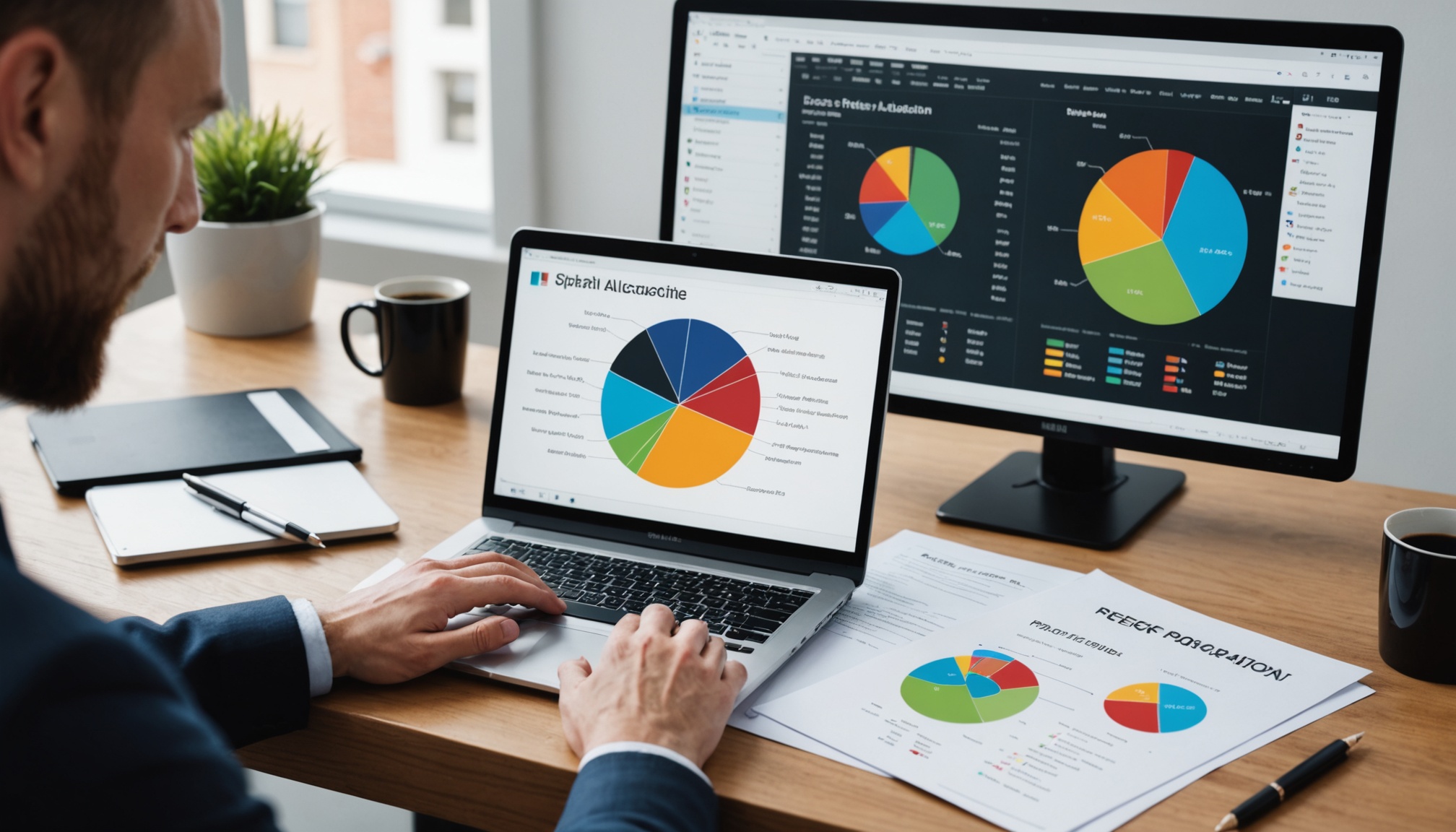
Automated investing — sometimes called robo-investing — has a transparency problem. Platforms use it as a marketing term without explaining what's actually happening. People hand over their money without understanding the mechanics. That's not good enough.
Here's a plain English explanation of what automated investing does, and what it doesn't do.
Step One: Risk Profiling
Before anything is invested, a well-designed automated platform asks you about your risk tolerance, investment horizon, and financial goals. This isn't just regulatory compliance box-ticking — your answers determine which model portfolio you're assigned.
A cautious investor with a 5-year horizon gets a portfolio with more bonds and less equity. An aggressive investor with a 20-year horizon gets more equity and less fixed income. The profiling step is the most important decision the platform makes on your behalf.
Step Two: Model Portfolio Allocation
Your money is invested according to a pre-defined model portfolio — typically a mix of low-cost index funds across different asset classes and geographies. At Wealth8, there are 8 model portfolios ranging from Cautious to Aggressive.
Each portfolio is built by our investment committee and reviewed quarterly. You don't need to select individual funds or decide which market to target.
Step Three: Automatic Rebalancing
Over time, different assets grow at different rates. If equities outperform bonds, your portfolio drifts from its target allocation — you end up with more risk than intended. Rebalancing corrects this by selling assets that have grown above target and buying those that have fallen below.
Done manually, rebalancing is time-consuming, easy to procrastinate on, and can trigger unnecessary tax events. Done automatically, it happens within defined thresholds, typically without you noticing.
What Automation Doesn't Do
Automated investing doesn't predict market movements. It doesn't guarantee returns. It doesn't replace human judgement in complex situations — a life change, an inheritance, a business exit — where bespoke financial advice is appropriate.
What it does is remove the friction and emotional decision-making from day-to-day investing. That's valuable — because emotional decisions (selling in a downturn, chasing last year's winners) are the main reason individual investors underperform the market.
Automation doesn't make you a better investor. It stops you from making the mistakes that make you worse.